The information contained in this section is based on our current knowledge and cannot be considered as a guarantee of specific product properties. It does not justify any contractual legal relationship.
Natural tartaric acid E334
Comercial Química Sarasa manufactures and supplies natural tartaric acid for food, wine, pharmaceutical, cosmetic and industrial applications.
Quality
Comercial Química Sarasa S.L. is the world’s oldest natural tartaric acid producer with ISO 9001 certification, granted in 1992 for its Fuentidueña de Tajo (Tydsa) plant.
Tydsa is registered in the AENOR certified companies registry under number ER 048/2/92.
At Comercial Química Sarasa S.L., "Quality is all of us."
Technical data of natural tartaric acid
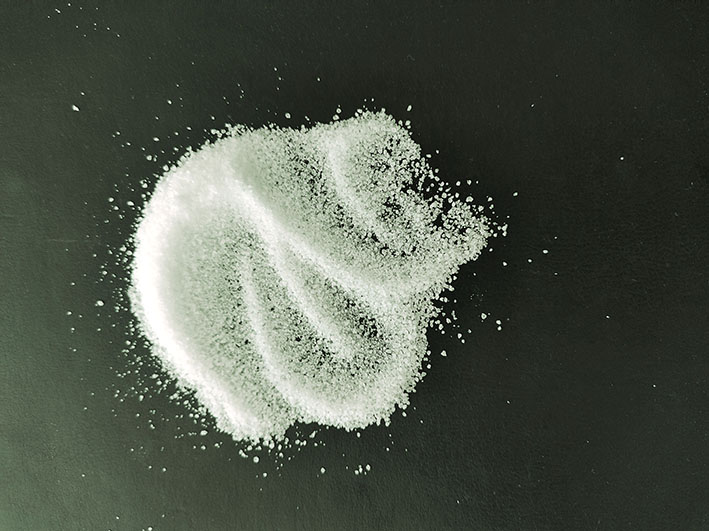
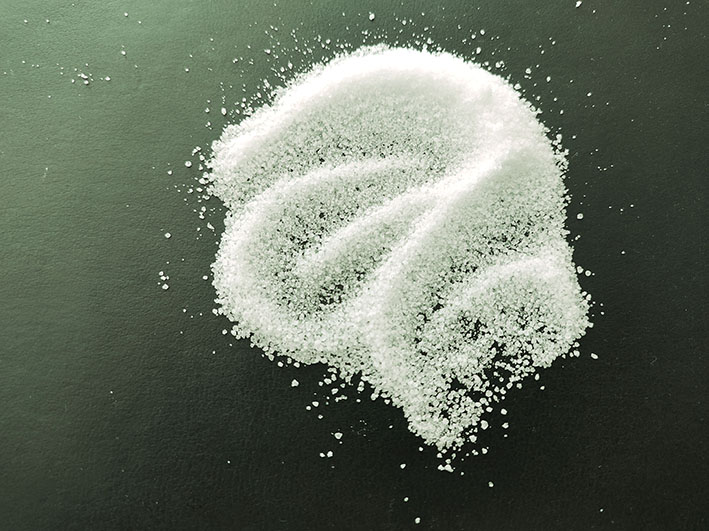
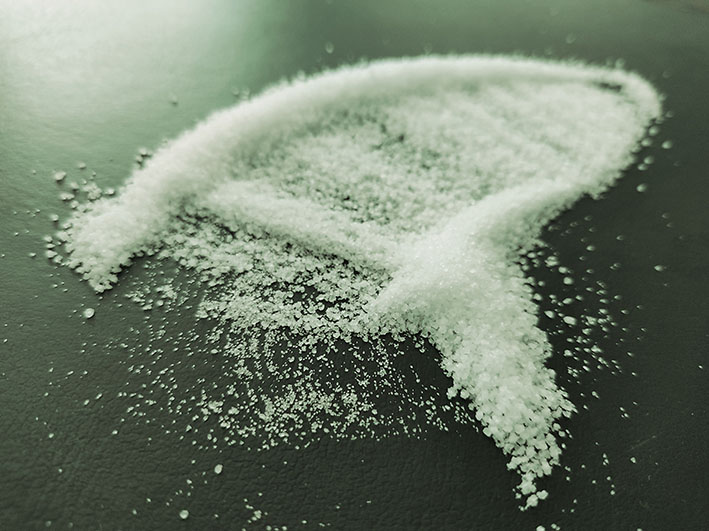
Natural tartaric acid is supplied in powder form and is widely used in different industrial applications.
Chemical name: L(+) Tartaric acid
CAS number: 87-69-4
E number: E334
EC number: 201-766-0
Chemical formula: C4H6O6
Tariff code: 29181200
Scientific nomenclature: Butanedioic acid, 2,3-dihydroxy-, (2R,3R)-2,3-Dihydroxybutanedioic acid, (R,R)-tartaric acid, 2,3-dihydroxy-succinic acid, dihydroxy-butanedioic acid.
Natural tartaric acid is an organic compound of natural origin, especially present in grapes. Thanks to its versatility, it is used in sectors such as food, wine, pharmaceutical, cosmetic and other industrial applications.


Natural tartaric acid for the food industry
Natural tartaric acid is used in the food industry as an acidifier, stabilizer, emulsifier and preservative.
It can be used in beverages, juices, confectionery, bakery products, jams, jellies, ice cream and other food applications.
Natural tartaric acid for wine and oenology
In oenology, natural tartaric acid is used as an acidifier in musts and wines.
It helps adjust acidity and contributes to the balance, stability and preservation of the final product.
Natural tartaric acid for construction and plaster
In construction, natural tartaric acid can be used as a setting retarder for plaster, gypsum and cement.
Its use helps extend working time and supports handling in different industrial processes.
Natural tartaric acid for pharmaceutical, cosmetic and chemical applications
In pharmaceutical, cosmetic and chemical applications, natural tartaric acid is used for its optical activity and its ability to form complexes.
It can be used as an excipient, pH regulator, chelating agent, effervescent agent and antioxidant.
It can also be used in cleaning product formulations and in cosmetic formulations.
Other industrial applications of natural tartaric acid
Natural tartaric acid can also be used in textile, photographic, electronic and galvanotechnic applications.
It can act as a pH regulator, mordant, antioxidant or technical component in specific formulations.
Natural tartaric acid supplier
For technical documentation, quality information or commercial enquiries, please contact our team.


Known worldwide in multiple languages like:Chino (Mandarín): 天然酒石酸 (Tiānrán jiǔshí suān), Natural tartaric acid, Hindú: प्राकृतिक टार्टरिक अम्ल (Prākṛtik ṭārṭarik amla), Árabe: حمض الطرطريك الطبيعي (Ḥamiḍ al-ṭarṭarīk al-ṭabīʿī), Alemán: Natürliches Weinsäure…
Downloads
Frequently asked questions about natural tartaric acid E334
What is natural tartaric acid E334?
Natural tartaric acid E334 is an organic acid naturally present in grapes. In food applications, it is identified as additive E334 and is mainly used as an acidity regulator, acidulant and stabilising agent in different professional applications.
What is natural tartaric acid used for?
Natural tartaric acid is used in food, beverages, oenology, pharmaceutical, cosmetic, construction and industrial applications. Its common uses include pH regulation, acidity correction, formulation stabilisation and use as a technical component in different processes.
What is the difference between natural and synthetic tartaric acid?
Natural tartaric acid is obtained from raw materials of wine origin, while synthetic tartaric acid is obtained through chemical synthesis processes. In professional applications, the choice depends on the final use, technical requirements, applicable regulations and customer preferences.
What technical data identify L(+) tartaric acid E334?
The product is commonly identified as L(+) tartaric acid, E334, CAS 87-69-4, EC 201-766-0 and molecular formula C4H6O6. It may also be classified under customs code 29181200.
Is natural tartaric acid used in oenology?
Yes. Natural tartaric acid is used in oenology as an acidity corrector in musts and wines, contributing to taste balance, stability and preservation, always in accordance with applicable regulations and conditions of use.
Does Comercial Química Sarasa supply natural tartaric acid to professional customers?
Yes. Comercial Química Sarasa manufactures, distributes and exports natural L(+) tartaric acid E334 from Spain for professional customers in food, oenology, pharmaceutical, cosmetic and industrial sectors.

TARTÁRICO SARASA SL
C/ Costa Roja, s/n
17481 - Sant Julia de Ramis (GIRONA)
Mail: tartarico@grn.es
Tel. (00 34) 972 171 245
Fax. (00 34) 972 171 298